
BLOG
Why Underground Service Locating Matters Before Excavation in Redland Bay
Excavating without knowing what lies beneath the surface creates unnecessary risk for any construction or maintenance project. Underground electrical cables, water mains, gas pipelines, telecommunications conduits and stormwater infrastructure are often installed within the same corridor, making accidental damage possible if excavation begins without proper planning.
In Redland Bay, ongoing residential development means new underground utilities are continually being installed while older infrastructure remains in service throughout established neighbourhoods. Before excavation begins, underground services should be located and marked so contractors have a clearer understanding of what exists below ground. This process supports safer excavation and helps reduce unnecessary delays caused by damaged infrastructure.
What Underground Service Locating Involves
Underground service locating is the process of identifying the likely position of buried infrastructure before excavation starts. Information is gathered from existing utility records, plans and specialised locating equipment that detects underground services.
Once utilities have been identified, they are marked on the ground so excavation can be planned around them. In situations where the exact depth or position needs to be visually confirmed, non-destructive vacuum excavation is commonly used to safely expose the service without relying on mechanical digging equipment.
Service locating does not replace careful excavation. Instead, it provides valuable information that allows excavation to proceed with greater confidence.
Why Existing Plans Are Not Always Enough
Many people assume underground service plans show the precise location of every buried utility. In reality, plans may only indicate the approximate location of services, particularly where infrastructure has been upgraded over time or records have changed.
Older residential areas throughout Redland Bay may contain utilities installed decades apart, while newer developments often include multiple services installed within relatively narrow corridors. Property alterations, previous construction work and utility upgrades can also influence where underground infrastructure is located.
For this reason, service plans are generally treated as an important reference rather than absolute confirmation of a service's exact position.
Understanding AS 5488
Australia uses AS 5488 Classification of Subsurface Utility Information to provide a consistent framework for describing the quality and reliability of underground utility information.
Rather than guaranteeing where a service is located, the standard classifies the confidence level of available information. Higher quality classifications are based on direct observation or physical exposure, while lower classifications rely more heavily on historical records or existing plans.
This approach helps engineers, contractors and project managers understand how much certainty exists before excavation begins and whether further investigation is appropriate.
Using recognised classification methods improves planning and supports safer excavation practices across residential, commercial and civil projects.
Local Factors That Increase the Need for Service Locating
Redland Bay continues to expand through residential development and infrastructure upgrades. New electrical, water, sewer and telecommunications services are regularly installed to support growing communities.
Many properties also contain irrigation systems, drainage lines, retaining walls and previous utility connections that may not appear on publicly available plans.
Coastal conditions can further influence excavation planning. Heavy rainfall may alter surrounding ground conditions, while future infrastructure upgrades continue to add new underground services across the suburb.
These factors mean every excavation project should begin with a clear understanding of existing underground infrastructure rather than relying on assumptions.
What Can Happen When Services Are Not Identified
Striking an underground utility can interrupt essential services, delay construction and create safety hazards for workers and nearby properties.
Damage to electrical cables may create immediate safety risks, while water mains or sewer infrastructure can result in flooding and costly repairs. Telecommunications damage may interrupt communications for surrounding homes and businesses, while damage to gas infrastructure presents additional safety concerns requiring immediate attention.
Many of these incidents can be significantly reduced through careful planning, underground service locating and appropriate excavation methods before digging begins.
Combining Service Locating with Non-Destructive Excavation
Service locating identifies the likely position of underground infrastructure, while vacuum excavation provides a practical method of confirming those locations without exposing utilities to unnecessary mechanical force.
High-pressure water carefully loosens the surrounding soil while the vacuum removes excavated material, allowing underground cables and pipes to be visually exposed. This combination provides contractors with accurate information before larger excavation equipment is introduced to the site.
As Redland Bay continues to grow, protecting underground infrastructure becomes increasingly important for homeowners, builders, utility providers and civil contractors. Locating and marking underground services before excavation remains one of the most effective ways to improve safety, reduce project delays and help protect essential infrastructure beneath the ground.
DISCOVER WHAT OUR CUSTOMERS HAVE TO SAY ABOUT US
REVIEWS
REVIEW US ON GOOGLE
our process
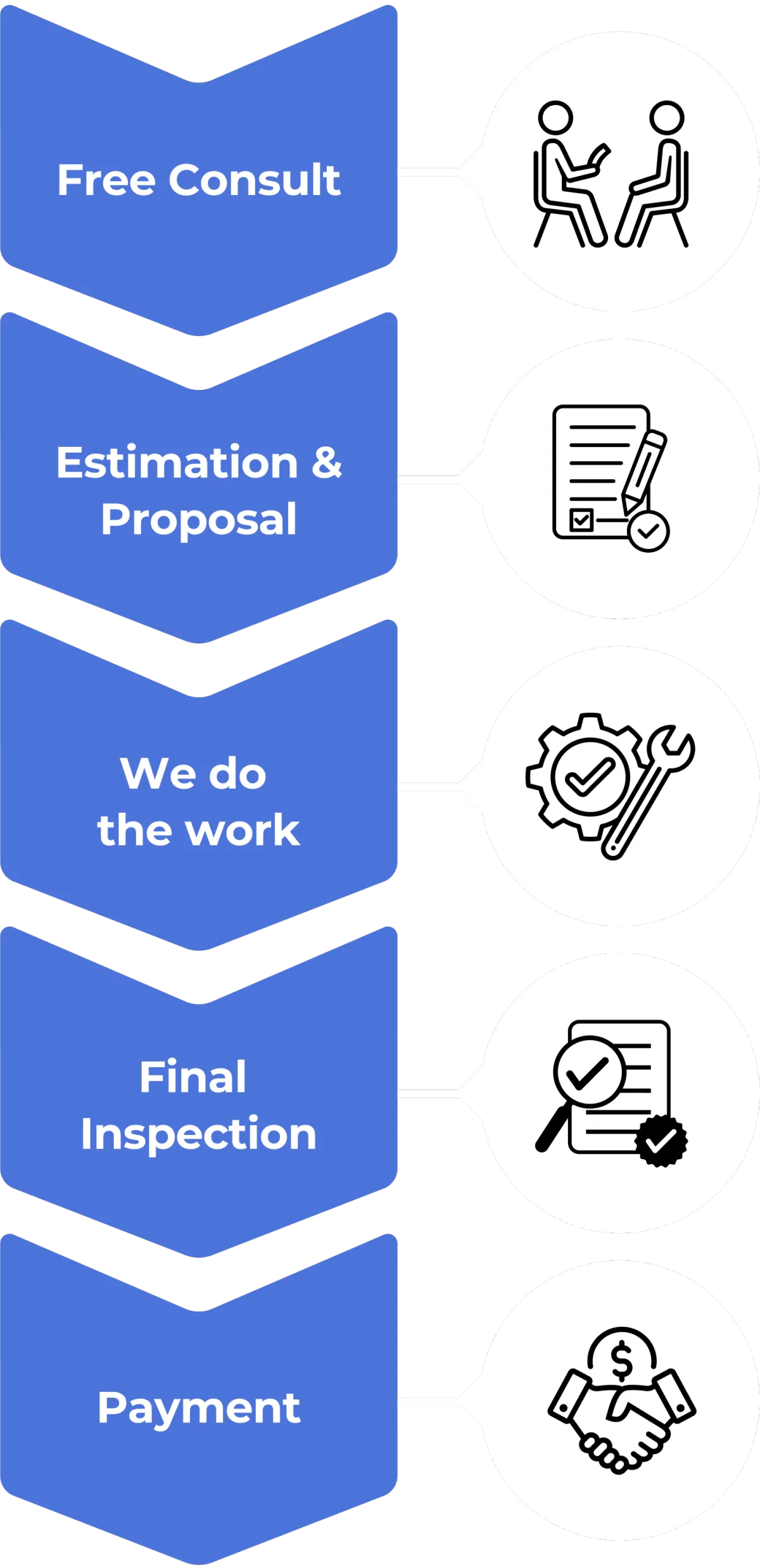
Our process is simple and only contains a few simple steps

frequently asked questions
Find clear answers to the questions we’re asked most often.
How does the repair process work?
Once you contact Appliance Repair Solutions, a technician will discuss the issue with you and arrange a suitable inspection time. The problem is diagnosed on site, and clear advice is provided before any repair work begins. The goal is to complete repairs efficiently while keeping communication straightforward throughout the process.
How quickly can I book a technician?
Service availability depends on your location and the type of appliance issue. In many cases, same day or next day bookings may be available across Sydney. The team aims to respond promptly and provide flexible scheduling where possible.
Do you provide quotes before starting repairs?
Yes. After assessing the appliance and identifying the fault, you will receive clear information about the recommended repair and expected costs. This helps customers make informed decisions before approving any work.
What should I do before the technician arrives?
It helps to clear access around the appliance and make note of any error codes or unusual behaviour. If possible, have the appliance model number available as this can assist with diagnosing the issue faster. The technician will guide you through anything else needed when confirming the booking.
What should I do before the technician arrives?
It helps to clear access around the appliance and make note of any error codes or unusual behaviour. If possible, have the appliance model number available as this can assist with diagnosing the issue faster. The technician will guide you through anything else needed when confirming the booking.
proudly serving Baulkham Hills
Homebush
Gladesville
Leichhardt
North Sydney
Mosman
Box Hill
Marsden park
Trusted & Accredited Plumbers

READY TO take the next step?
get a free quote TODAY!
Knights Vacuum Excavations
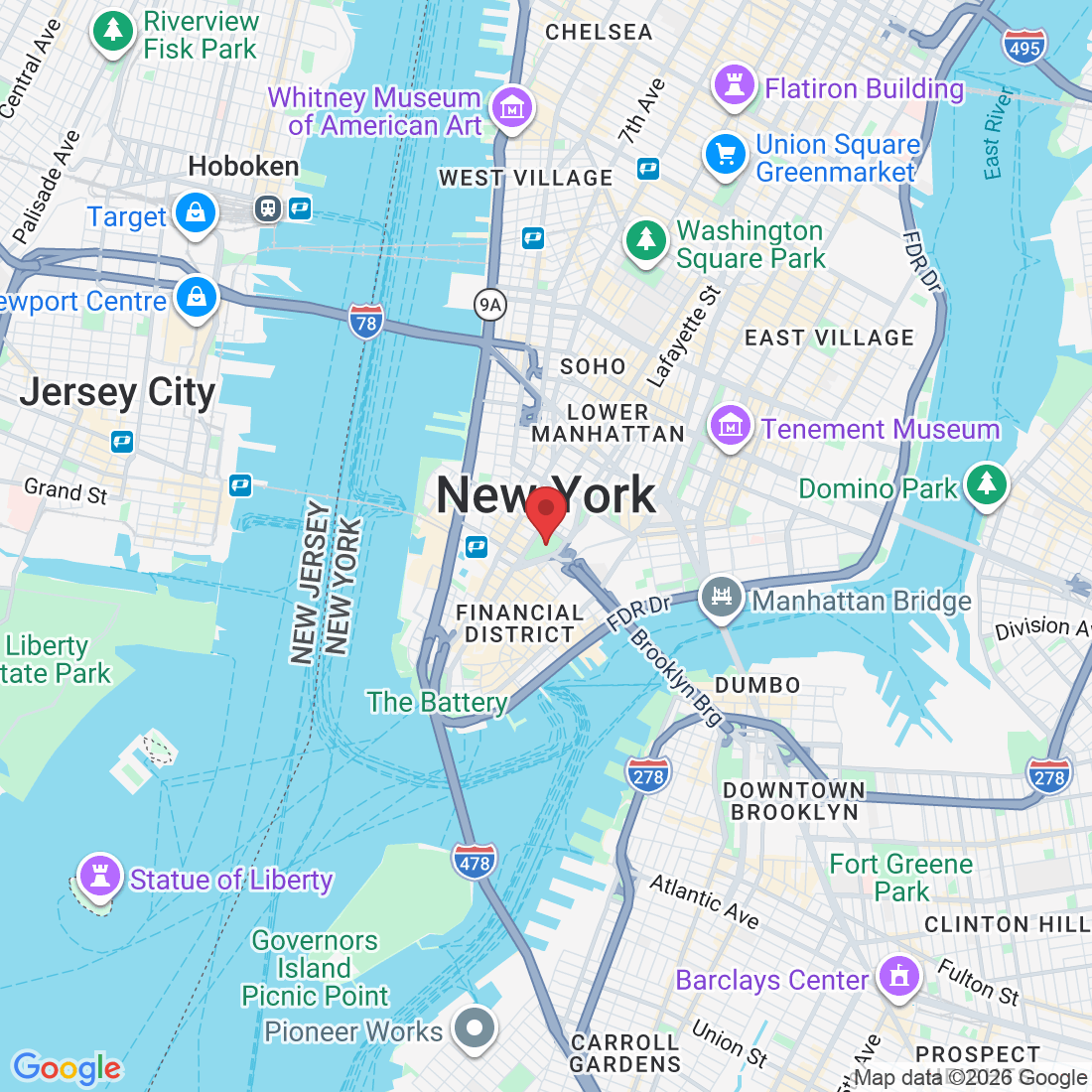
39 Muriel street Redland Bay